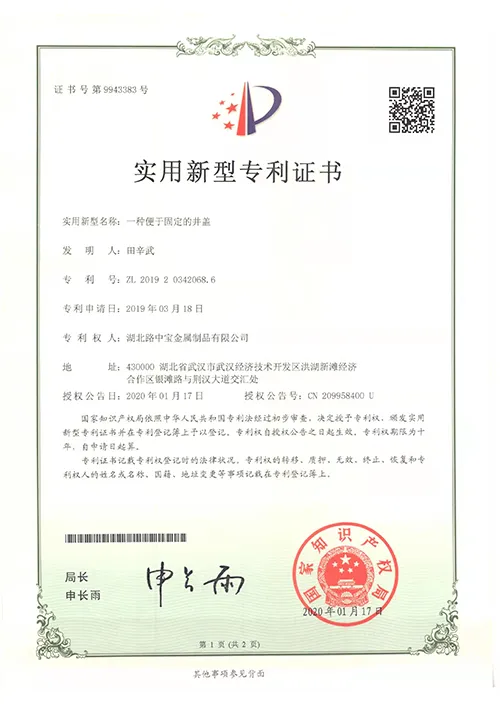
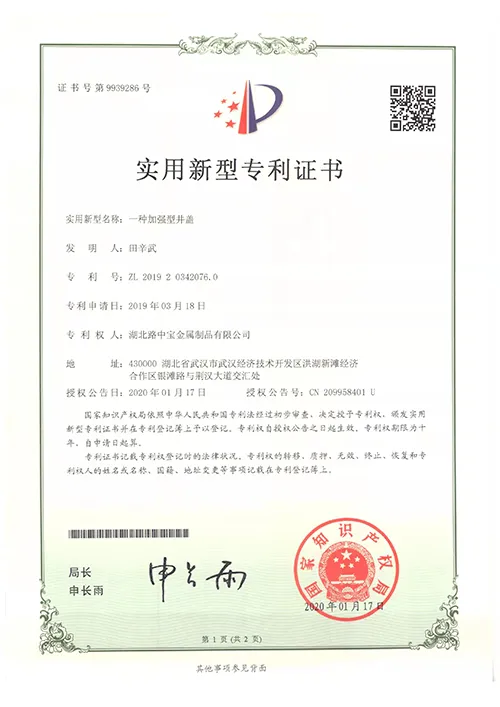
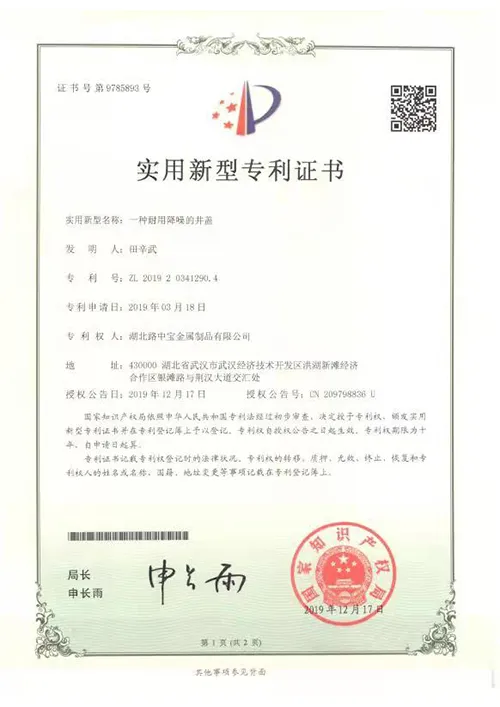
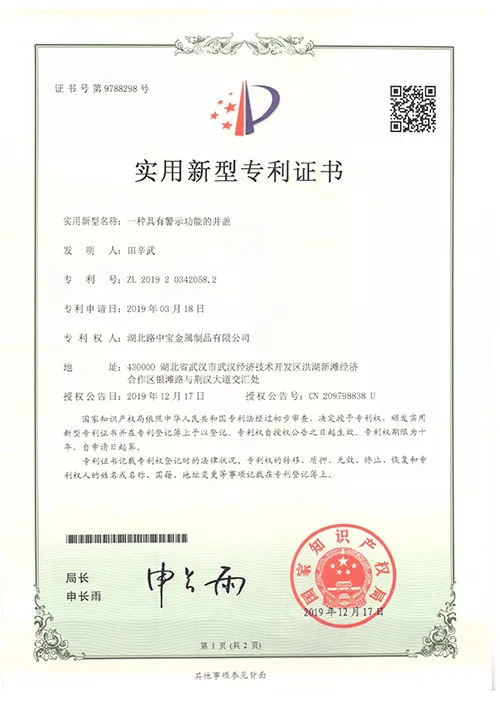
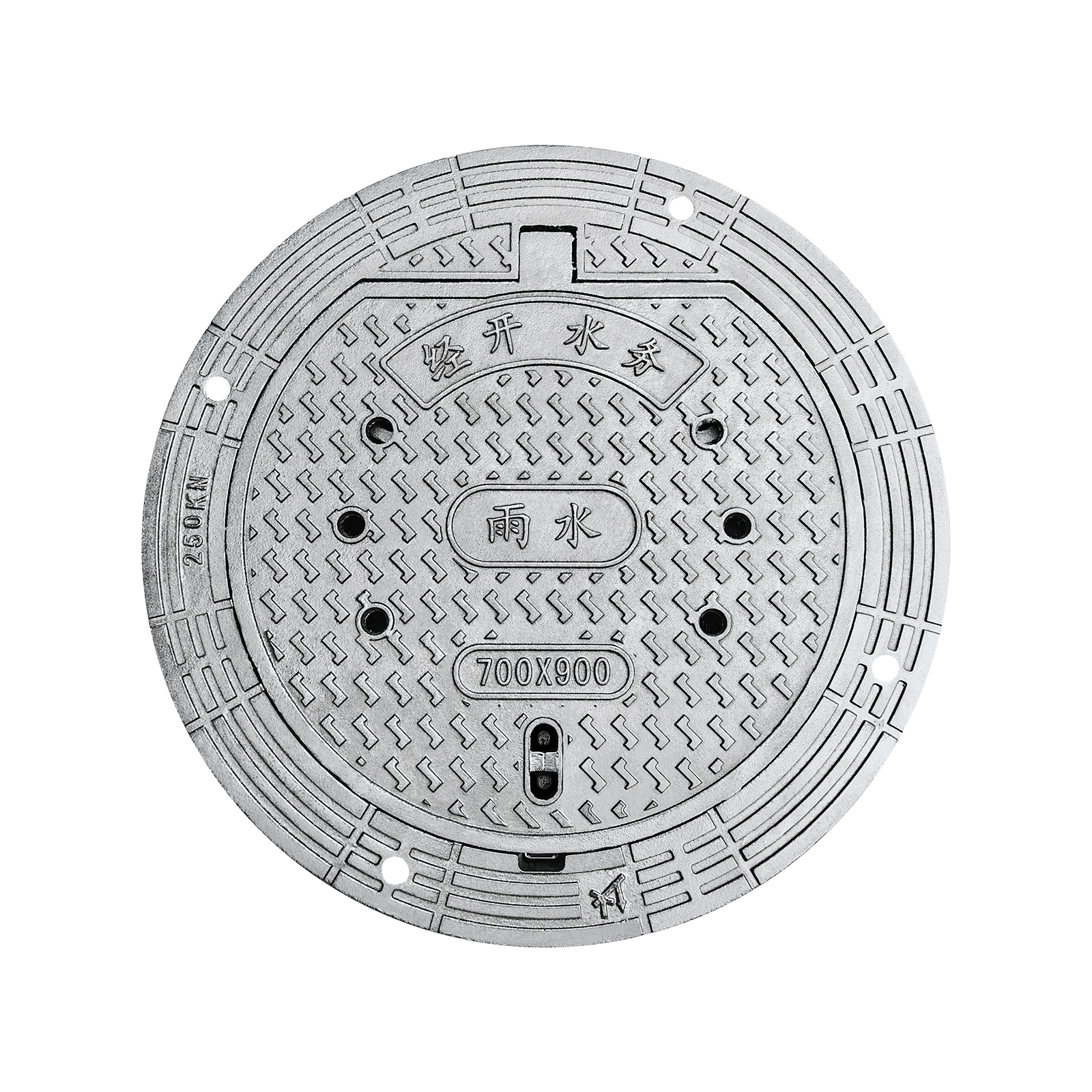
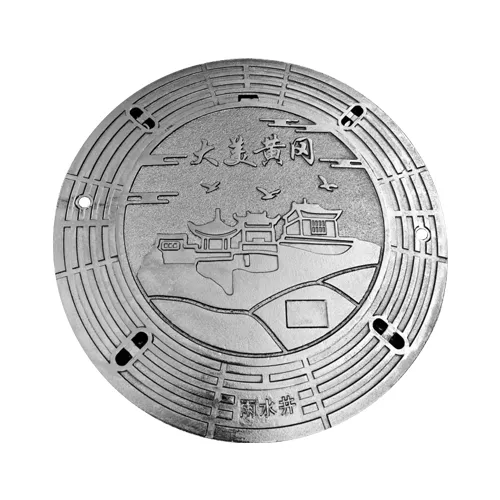
On city streets around the world, round manhole covers are almost universally present. This seemingly simple design choice actually embodies profound engineering wisdom and safety considerations. The primary reason manhole covers are round lies in geometric safety: a circle has a constant diameter-no matter how you rotate it, the cover will never fall through the equally round opening. This is critically important for inspection chambers where workers may be below—a square cover, if lifted diagonally, could easily fall into the hole, causing serious safety accidents. Additionally, the round shape offers superior mechanical performance, evenly distributing vehicle loads around the entire circumference and avoiding stress concentration that leads to damage. The round shape also provides unmatched practical convenience-maintenance personnel can easily roll round covers for transport without needing lifting equipment.
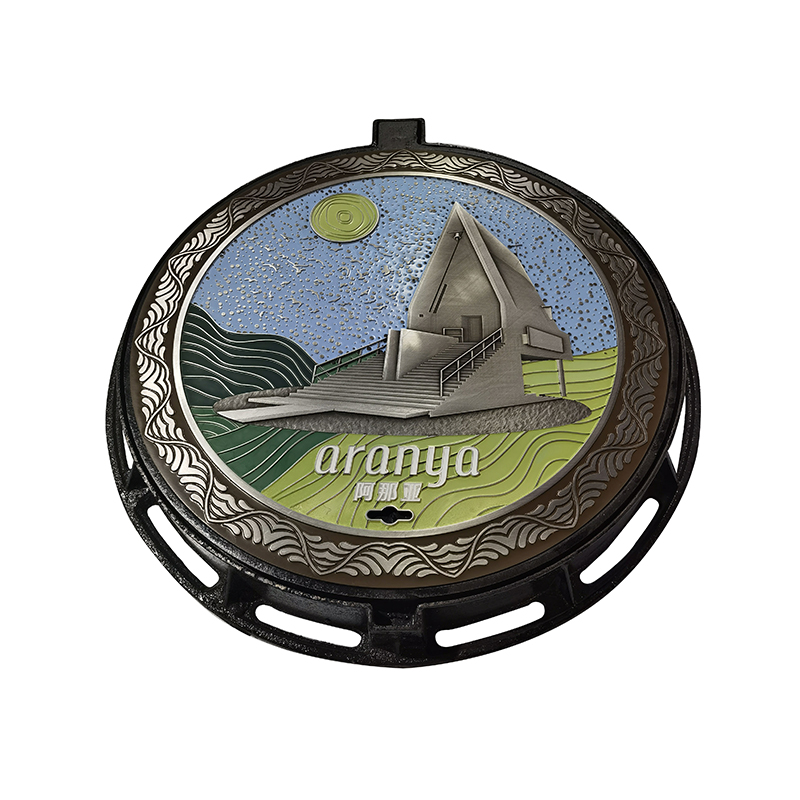
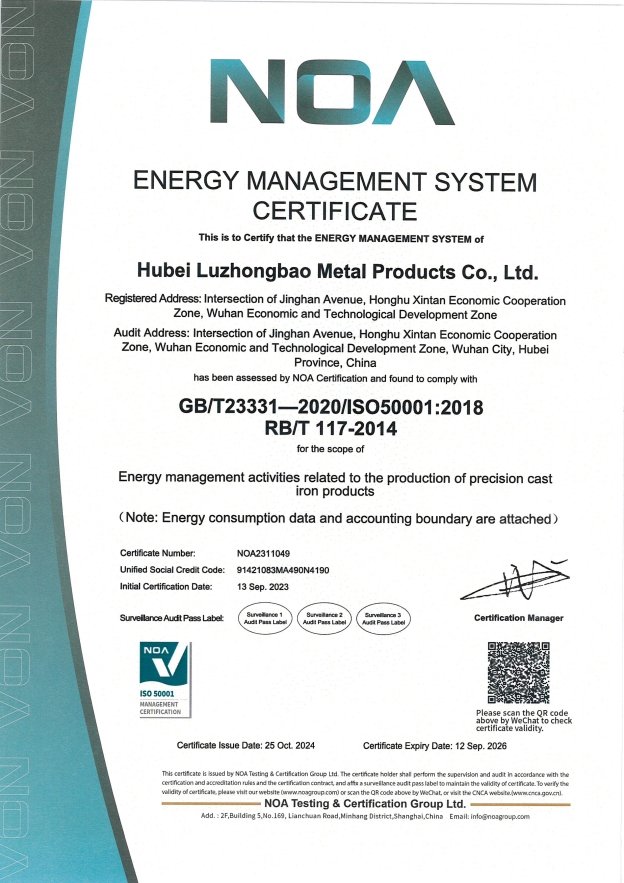
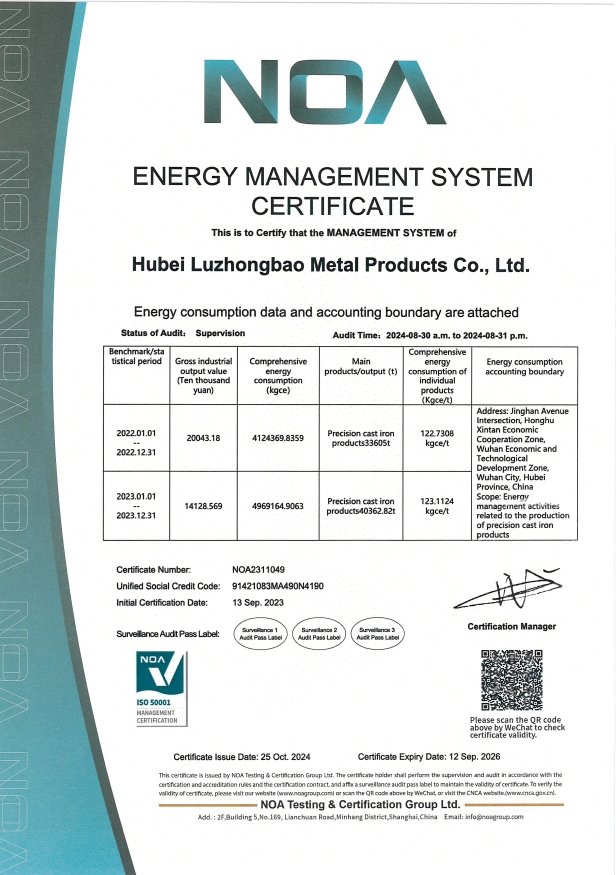
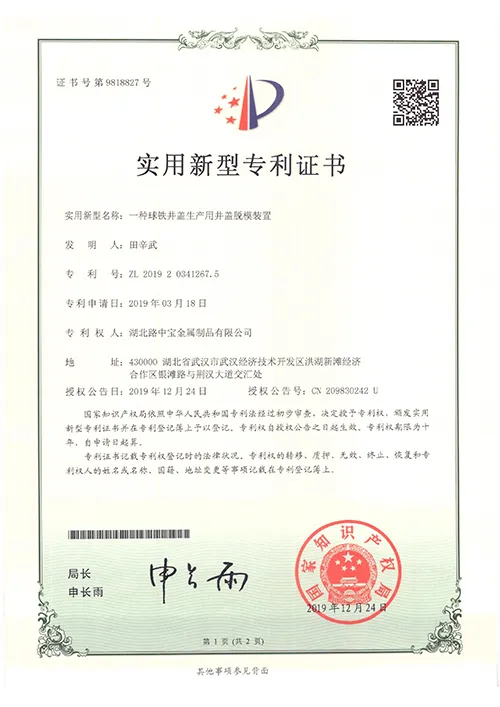
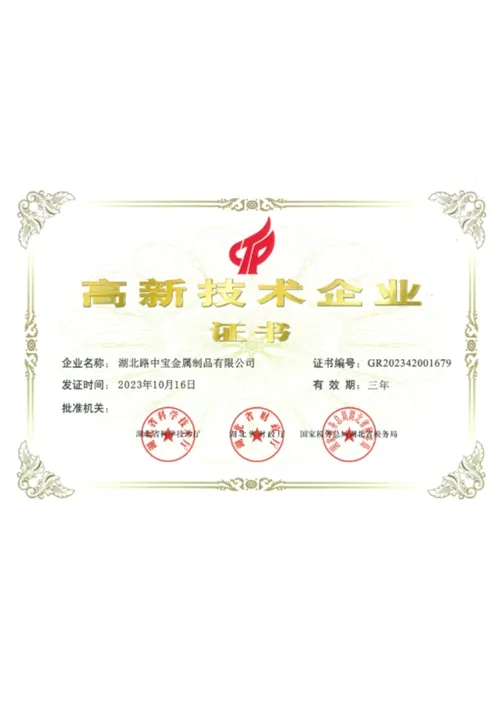
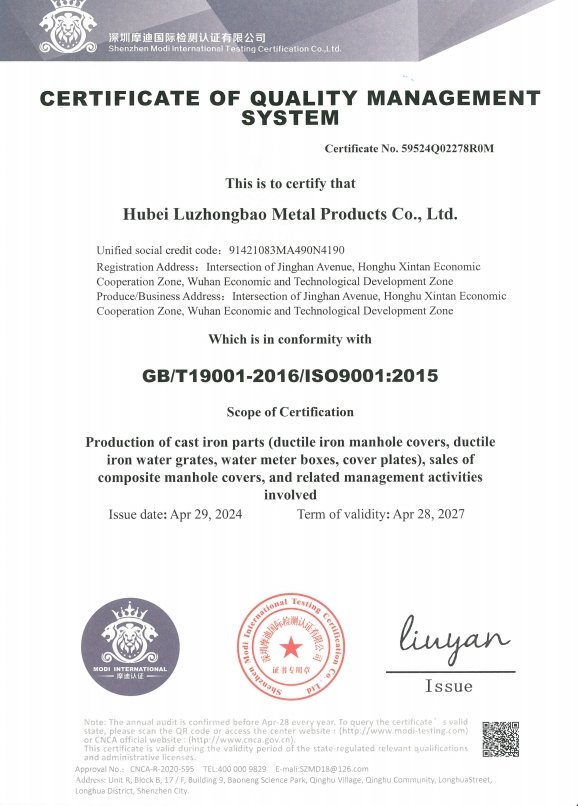
As a leading enterprise in China's manhole cover industry, LZB Metal not only deeply understands the engineering principles behind round cover design but also transforms these principles into systematic technological advantages that exceed industry standards. Unlike ordinary manufacturers who merely meet basic geometric requirements, LZB Metal's round manhole covers are built upon high-purity material enhancement at the source, topologically optimized structural mechanics, systematic anti-settlement design, and forward-looking provision for intelligent integration. Backed by nearly two decades of experience in manufacturing high-end municipal castings and a stringent quality control system, every LZB Metal round manhole cover maximizes the potential of the "circle"—this classic shape not only achieves optimal stress distribution but also, through patented anti-settlement structures and long-lasting corrosion protection systems, transforms simple geometric forms into durable strategic assets that add long-term value to urban infrastructure.
Core Advantages of Round Manhole Covers and LZB Metal's Technological Excellence
I. Ultimate Geometric Safety Assurance: From "Fall Prevention" to "Zero Risk"
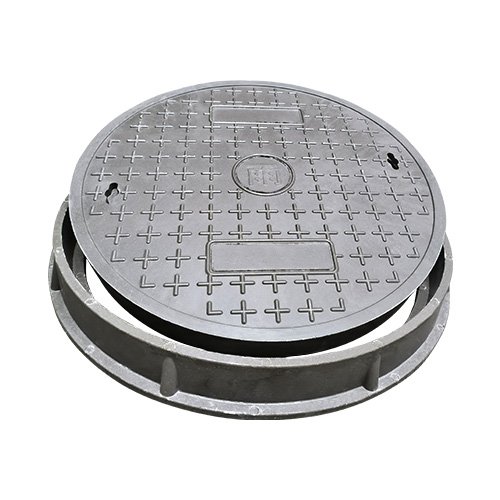
The most fundamental safety characteristic of round manhole covers lies in their constant diameter—no matter how rotated, the cover's width always equals the circle's diameter, so it can never fall through the equally round opening. LZB Metal takes this further, elevating safety performance to new heights through precision taper fit design and a triple-layer anti-fall system. The cover and frame utilize a conical interlocking structure with an insertion depth exceeding 50mm, complemented by high-performance vibration-damping seals, ensuring no displacement occurs even under extreme conditions like earthquakes. Additionally, high-strength anti-fall nets (load-bearing capacity ≥100kg) and captive hinges come standard, forming "primary + secondary protection" dual insurance that completely eliminates any possibility of falling.
II. Optimized Mechanical Performance Design: From "Stress Dispersion" to "Active Load-Bearing"
The geometric properties of a circle enable uniform distribution of external loads around the entire circumference, avoiding the stress concentration that occurs at the corners of square or rectangular products. LZB Metal maximizes this principle by introducing finite element topology optimization technology to iteratively refine the reinforcement rib layout of round covers. The resulting innovative three-dimensional spatial curved surface reinforcement network automatically "grows" dense, robust support structures in critical stress areas, achieving maximum mechanical efficiency. Testing confirms that LZB Metal round covers demonstrate over 40% higher overall stiffness compared to traditional designs, with fatigue life far exceeding national standard requirements, ensuring no plastic deformation occurs under repeated heavy vehicle rolling.
III. Systematic Innovation in Anti-Settlement Structure: From "Point Load" to "Surface Dispersion"
x30-铸铁圆井盖1-1024x1024.jpg)
The perfect fit between round covers and round frames provides natural advantages for anti-settlement design. LZB Metal's independently developed wide-flange structure directly transfers loads borne by the cover to the road structural layers through the bottom extended edge, completely eliminating dependence on backfill soil. This design reduces pressure on the manhole structure by over 60%, fundamentally solving the industry-wide problem of pavement settlement around manholes. Combined with pre-set anchor bolt systems, LZB Metal round covers form an integrated structure with the asphalt pavement, achieving synchronous settlement and permanent flatness, perfectly solving the "bouncing" phenomenon caused by uneven settlement in traditional covers.
IV. Operational Convenience Through Detailed Design: From "Rollable" to "Easy to Operate"
Another significant advantage of round covers lies in their rollability—maintenance personnel can easily move heavy covers by rolling without needing large machinery. LZB Metal builds on this fundamental advantage by incorporating human-centric design: covers feature integrated handles and mechanical lifting points, allowing single-person safe and efficient operation. Heavy-duty models offer optional split-leaf designs, controlling individual leaf weight within reasonable ranges for daily maintenance without auxiliary machinery. For ultra-heavy-duty applications (such as E600, F900 ratings), LZB Metal has developed hydraulic-assisted opening systems, reducing opening force by 80% and greatly improving maintenance efficiency.
V. Native Integration of Intelligent Functions: From "Traditional Component" to "Smart Node"
While continuing the classic design of round covers, LZB Metal defines intelligence as a product's "inherent attribute" with forward-looking vision. Their round covers incorporate standardized intelligent monitoring interfaces at the design stage, enabling integration of multi-axial micro-strain sensors, temperature sensors, water immersion sensors, and self-powered modules for real-time monitoring of load distribution, structural stress, attitude changes, and underground environmental data. Through edge computing units analyzing accumulated fatigue damage, the system can trigger early warnings before structural risks occur, upgrading traditional "periodic inspections" to "condition-based predictive maintenance" and providing critical data support for smart city construction.

M.2025.206.C125074_01.png)